Don't read how it works. Watch it work.
This page is a session. Pick something real, and in about three minutes you'll go from “I think I know” to a working answer, using the four moves Cognosc uses on everything: guess, see, fix, keep. What you answer changes what happens next.
What do you want to understand today?
Pick one and make a guess. No sign-up, nothing graded. What you answer changes what happens next.
What happens next Six moves, about two minutes. They unlock when you pick.
- 01You say itType what you want to learn, in plain words.
- 02It finds where you standA few quick questions. What you already know is skipped.
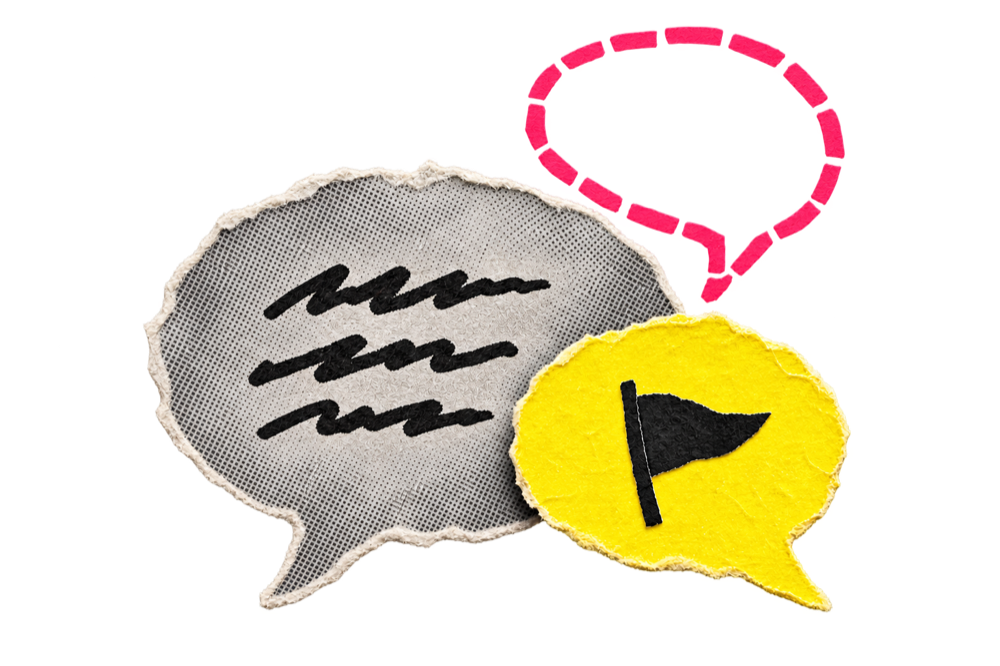
- 03You guess firstCommit to an answer before anything is explained.
- 04It fixes the ideaYour miss points at the idea behind it, and that is what gets fixed.
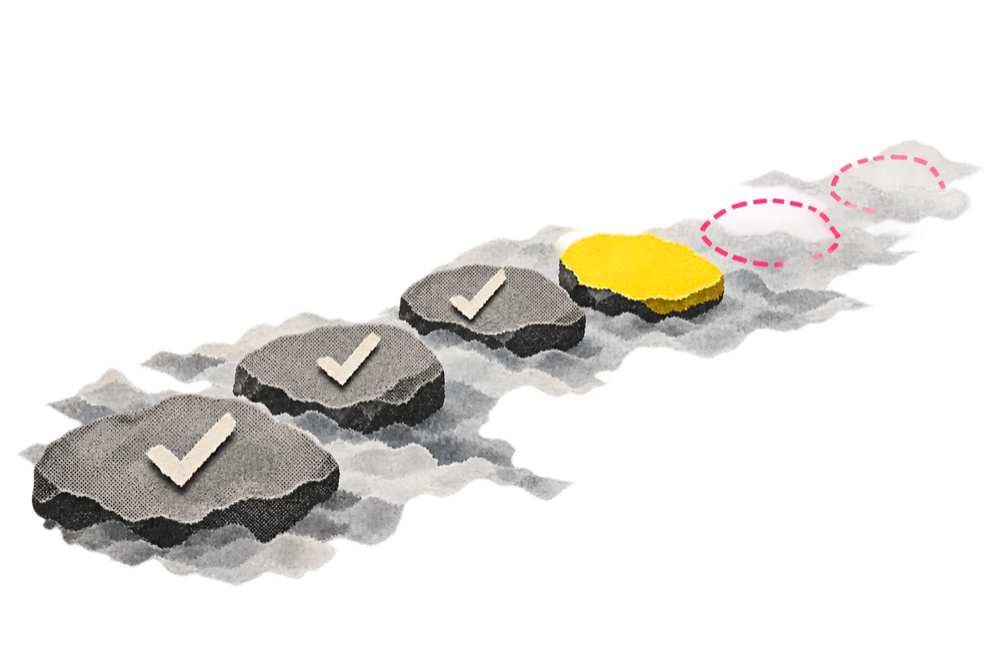
- 05It comes backIt returns days later, just before you would forget.
- 06DoneDone means you can do it alone.

Checked where it can be, honest where it can't.
A tutor you can't trust is worse than none. So anything that can be calculated is calculated, and checked a second time before you see it. When something can't be checked, it tells you.
- Calculates anything that can be calculated, twice, by different routes.
- Tells you when it can't check something.
- Skips what you already know and spends your time where you're shaky.
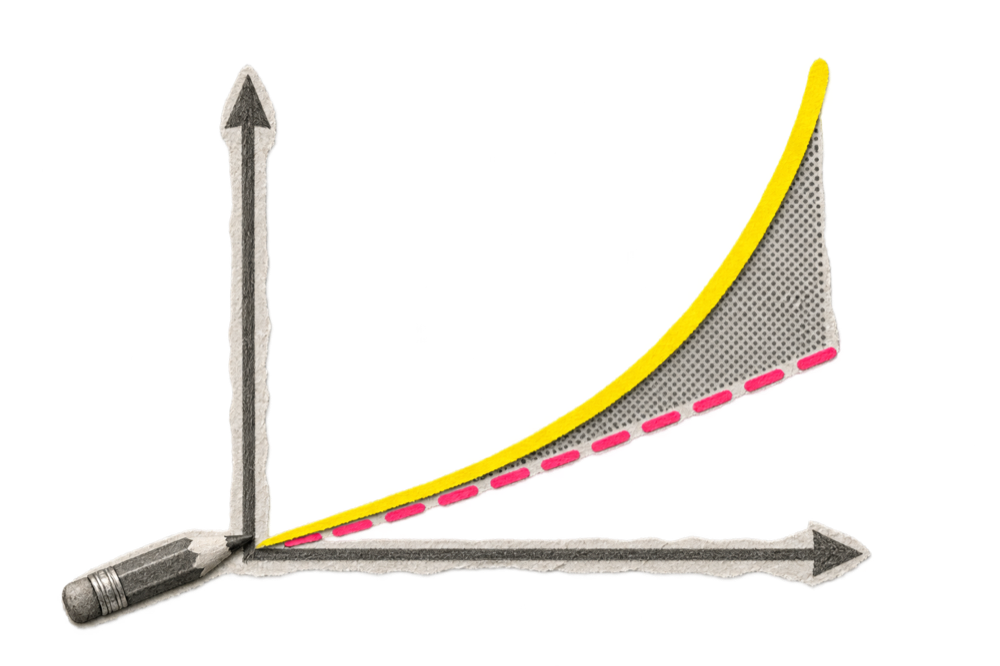
- Comes back to an idea a few days later, before you would forget it.
Pick a question. Two of them can be calculated; one can't. Watch what it does with each.
It's for understanding. Not for memorising.
- Memorising vocabulary or facts with no idea behind them.
- Learning a physical skill, such as a language's accent or a golf swing.
- Getting an answer in ten seconds. If that's what you need, an ordinary chatbot is quicker, and you won't keep it.
Everything else you learn by working out why, from maths and statistics to money, science, code and how something at work behaves, is what it is built for.
See it work on something real.
 Try a library goalGoals we wrote, each built around the mistakes people really make. Free, with no account.Open the library →
 Take a testQuizzes on what you think you know, with a score by topic and what to read next. Also free.See the tests →
 Make a goal of your ownGoals of your own are free while Cognosc is in beta. We let people in a few at a time.Join the beta →
Questions people ask first
Anything else: hello@cognosc.com
How does Cognosc work?
You say what you want to learn. It asks a few questions to find where you stand, maps your goal into the ideas it needs, and works through them one at a time. For each one you guess first, then see what really happens, then get the idea behind any mistake fixed, and are asked again a few days later.
Why does it make me guess before it explains?
Because a guess shows what you actually think, and that is what needs fixing. Studies of the pretesting effect find that trying to answer before being taught improves what you remember afterwards. It also means you are never just nodding along to an explanation.
What if my guess is wrong?
That is the useful case. It doesn't just mark you wrong. It finds the idea that led you to that answer, tells you what it was in plain words, shows you what really happens, and gives you a fresh case to check the idea is gone. Every goal carries the mistakes people really make on it.
Are the demos on this page the real thing?
They are the real moves on real numbers, which are calculated in your browser as you use them. In a full session, each step is built for you from where you stand, so you don't see the same three examples twice.
How does it know what I already understand?
From your answers. About three minutes of placement questions find where you stand, and anything you already know is left out of your plan. Nothing in them is graded. As you work, it keeps track of each idea, from not yet checked to done alone to still there after days away.
What if I know nothing about the topic?
Then it starts at the beginning, and every idea builds on the one before. Answering "no idea" is always fine, and it is a useful answer: it tells the plan exactly where to begin.
Can I use it to prepare for an exam?
Yes. Tell it the exam and the date, and your goal is mapped to what that exam covers, at the depth it asks for. It finds your weak spots first, spends your time there, and brings earlier topics back before they slip.
How long does a session take?
The library goals take 20 to 30 minutes each. A goal of your own is as long as the ideas it needs, and you see the plan before you start.
What does it mean that it checks back?
A few days after you work on an idea, it asks one quick question from memory, timed for just before you would forget. That second retrieval is what turns understanding into something you keep.
What counts as finished?
An idea counts once you have done it on your own, on a problem you haven't seen, and again after days away. A goal is finished when every idea in it is. It is not finished at the last lesson, because there isn't a lesson to reach.
Can I trust what it tells me?
Anything that can be calculated is calculated, not guessed, and checked a second time before you see it. When it can't check something, it says so.
How is this different from asking a chatbot?
A chatbot hands you the answer, and you nod along. In one study, high-school students who practised maths with GPT-4 did 17% worse once it was taken away. Cognosc asks first, fixes the idea behind your mistake, and checks back later. If you only need a quick fact, a chatbot is quicker.
What is it not good for?
Memorising vocabulary and learning a physical skill. It is built for things you learn by understanding them: maths and statistics, money, science, code, how something at work behaves.
What can I learn with it?
Anything you can learn by thinking it through. Start with a goal in the library, or write your own, from a statistics exam to why your sourdough keeps going flat.
Do I need an account to try it?
No. Every goal in the library, and all the tests, can be tried without one. A free account lets you learn any library goal in full and have one full session on a goal of your own.
What does it cost?
Nothing while Cognosc is in beta: the library, all the tests and goals of your own are free. We're letting people in a few at a time; join the beta and we'll email you when it's your turn.
Who writes the goals in the library?
We wrote the first ones, each built around the mistakes people really make. The rest come from people who built a goal for their own question, reached it, and chose to share it. Their answers and names stay private; you get the steps.
What happens to my answers?
They stay yours. Everything you write on a goal stays on it, and if you stop, your goals stay with everything you have done. Our privacy page says exactly what we keep.
Does it work on my phone?
Yes. It runs in the browser on a phone, a tablet or a laptop, with nothing to install.
Is there an age limit?
Cognosc is for people aged 16 and over.
What do you want to be able to do?
Say it the way you'd tell a friend. It works out the steps and skips what you already know.